Source Marine Inclined Ladder for Ships, Yachts, and Boats
Find 30 marine inclined ladder options for ships, yachts, and boats. Compare steel and aluminum models with various certifications and custom lengths to meet your vessel's safety requirements. Explore different step counts, widths, and loading capacities to ensure compliance with international standards like ABS, DNV, and CCS for reliable access on deck.
Key considerations
Products List


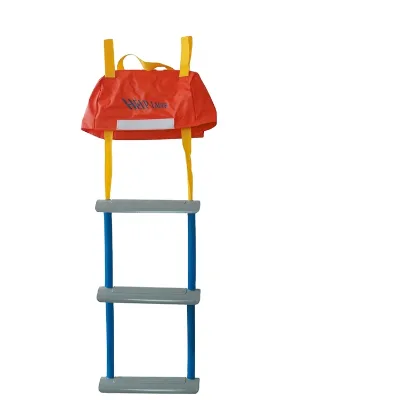


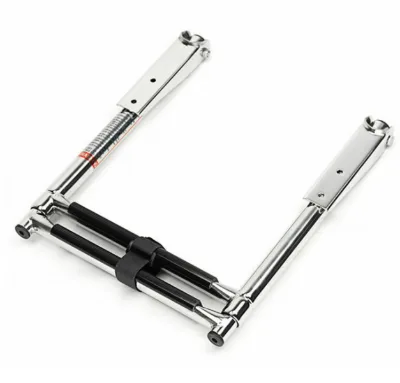
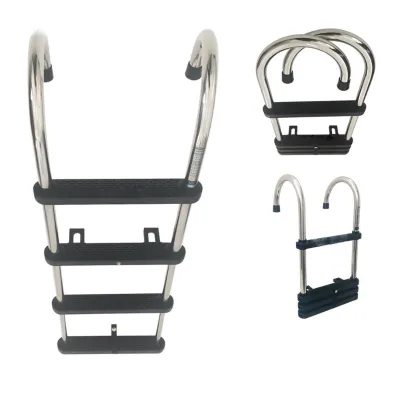
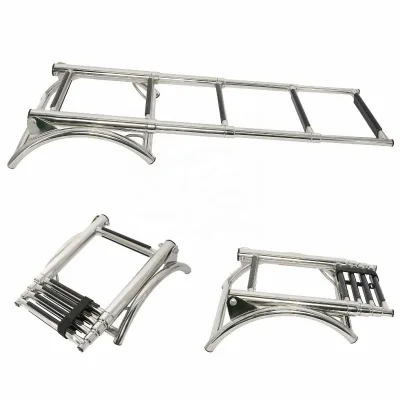
Comprehensive Sourcing Guide
Marine Inclined Ladder Sourcing Guide
Procurement of marine inclined ladders requires distinguishing between steel and aluminum alloy variants, as the supplied data indicates both materials are available for ship and yacht applications. Buyers must verify the specific material composition early in the process, as steel models often feature polished surface treatments while aluminum options may offer semi-insulating properties. The observed product range includes fixed inclined ladders with widths of 600mm and tread counts ranging from three to ten steps, necessitating a clear definition of the vessel's structural requirements before engaging suppliers.
Commercial listings reveal a significant variance in pricing and minimum order quantities, with observed ranges spanning from 0.5 to 10,000 USD and MOQs between 1 and 100 units. This disparity suggests that buyers should not rely on a single price point but rather evaluate the total cost of ownership based on customization needs and packing requirements. Wooden cases and standard export packing are common, yet the specific model numbers like DY190410 or GJ-005 indicate that distinct configurations exist, requiring precise specification matching to avoid receiving non-compliant equipment for marine environments.
Product Scope and Observed Listing Signals
The market for marine inclined ladders presents a diverse scope ranging from standard bulwark ladders to specialized hinge types with customizable dimensions. Observed listings confirm that products are available in lengths of 3, 4, and 5 meters, as well as custom sizes, with tread widths typically set at 600mm or 500mm depending on the specific model. Buyers should note that some units are designed for specific applications like yachts and boats, while others are intended for general ship use, and the color options often include white, black, silver, blue, and yellow to match vessel aesthetics.
Listing signals also highlight the availability of various step configurations, including round or square steel steps, with step sizes around 20mm and loading capacities of 100kg. The inclination angles are frequently observed at 45 or 55 degrees, which directly impacts the safety and usability of the ladder on different vessel types. Procurement teams must carefully cross-reference the listed model numbers and packing details, such as wooden boxes or cases, to ensure the delivered goods match the intended operational environment and structural load requirements of the specific marine asset.
Technical Specifications to Verify
Technical verification must begin with the ladder's physical dimensions, specifically the length which can range from 800mm to 3000mm or be fully customized to client requirements. Buyers should confirm the exact number of treads, which typically falls between three and ten, and ensure the width aligns with the 600mm standard or the 500mm alternative observed in specific listings. The inclination angle is a critical safety parameter, and suppliers must explicitly state whether the unit is designed for 45 or 55 degrees to ensure it meets the specific access needs of the vessel's deck or hull.
Material integrity and surface treatment are equally vital, with options including steel, aluminum, and aluminum alloy, each offering different durability and weight characteristics. The surface treatment, often described as polished, must be verified to ensure it provides adequate corrosion resistance for the marine environment. Additionally, the loading capacity of 100kg and the specific step size of 20mm must be confirmed against the vessel's safety protocols, as these factors directly influence the ladder's ability to support personnel safely during boarding or maintenance operations.
Compliance and Safety Documentation
Compliance verification is paramount, as the supplied data indicates a wide array of recognized maritime certifications including CCS, GL, DNV, ABS, BV, and LR. Buyers must request current certificates for the specific model being purchased, as some listings reference ISO standards like ISO3797-76 while others cite broader standards such as ISO, GB, JIS, ANSI, DIN, and ASTM. The presence of multiple certification bodies suggests that high-quality suppliers can provide documentation for various international maritime authorities, but the specific certificate must match the flag state or port of registry requirements of the vessel.
Safety documentation should also address the functional classification of the ladder, such as whether it is a semi-insulating unit or a standard marine steel straight ladder. Buyers need to ensure that the product standard, whether listed as ABS, GL, DNV, or "any size available," is explicitly documented in the commercial invoice and packing list. The absence of a specific certification for a requested model should trigger a request for third-party testing reports, as relying on general claims without verified documentation can lead to non-compliance issues during vessel inspections or regulatory audits.
Cost Drivers and Commercial Terms
Cost drivers for marine inclined ladders are heavily influenced by material selection, with aluminum alloy and steel units often commanding different price points due to raw material costs and manufacturing complexity. The observed price range of 0.5 to 10,000 USD reflects this variability, suggesting that buyers should expect higher costs for custom lengths, specialized surface treatments, or units requiring specific certification packages. Minimum order quantities between 1 and 100 units further impact the unit price, with bulk orders likely securing more favorable commercial terms compared to single-unit purchases for immediate replacement needs.
Commercial terms must clearly define the packaging and shipping logistics, as observed listings specify wooden cases or boxes for protection during transit. Buyers should negotiate Incoterms that account for the heavy nature of steel ladders and the fragility of aluminum components, ensuring that the "Standard Export Packing" or "Wooden Box" is sufficient to prevent damage. Additionally, the customization aspect, which is available for many models, introduces variable lead times and costs that must be agreed upon upfront to avoid delays in the procurement cycle or unexpected budget overruns.
Supplier Qualification and Quality Control
Supplier qualification should prioritize manufacturers who can demonstrate a proven track record in producing marine-grade ladders with the specific certifications observed in the market, such as CCS, ABS, and DNV. Buyers must verify the supplier's origin, as the data indicates products are made in China, and assess their capacity to handle custom orders with specific model numbers like DY190410 or GJ-005. A robust quality control process should include checks on the surface treatment, such as polishing, and verification of the material composition to ensure it matches the ordered specification of steel or aluminum alloy.
Quality control protocols must also address the dimensional accuracy of the ladders, ensuring that the length, width, and tread count match the agreed-upon technical specifications. Suppliers should provide pre-shipment inspection reports that confirm the loading capacity of 100kg and the correct inclination angle of 45 or 55 degrees. Buyers should insist on a final inspection before shipment to verify that the product packing, whether wooden case or box, is secure and that all documentation, including certificates and standard compliance records, is complete and accurate.
Long-Term Procurement Checks
Long-term procurement strategies should focus on establishing a relationship with suppliers who offer consistent customization capabilities and reliable after-sales support for marine equipment. Since the market offers "any size available" and various standard options, buyers should secure agreements that allow for future modifications or additional orders without significant lead time increases. Maintaining a clear record of the specific model numbers, certifications, and material specifications for each purchase will facilitate easier reordering and ensure continuity in the vessel's safety equipment inventory.
Regular audits of the supply chain are essential to verify that the supplier continues to meet the required standards, such as ISO, GB, or specific maritime class rules. Buyers should periodically review the supplier's ability to provide updated certification documents and confirm that their production processes still align with the observed quality benchmarks, such as the 100kg loading capacity and semi-insulating properties where applicable. This proactive approach ensures that the marine inclined ladders remain compliant with evolving maritime regulations and continue to provide safe, reliable access for crew and passengers over the long term.
FAQs
What materials are used for marine inclined ladders?
Marine inclined ladders are primarily constructed from steel or aluminum alloy. Steel variants offer robust durability for heavy-duty ship applications, while aluminum options provide lightweight corrosion resistance suitable for yachts and boats. Buyers can select based on specific vessel requirements and load-bearing needs.
Which certifications are available for these ladders?
These ladders hold major marine certifications including CCS, GL, DNV, ABS, BV, KR, NK, RINA, and LR. Some models also comply with ISO standards. These certifications ensure compliance with international maritime safety regulations, making them suitable for global vessel deployment and regulatory inspections.
Can the ladder length be customized?
Yes, customization is available for ladder lengths. Standard options include 3, 4, or 5 meters, with specific models supporting lengths from 800mm to 3000mm. Buyers can request custom sizes to fit specific deck heights or access points, ensuring precise installation on various marine vessels.
What is the typical loading capacity of these ladders?
The typical loading capacity is approximately 100kg per step or unit, depending on the specific model and material. Steel ladders generally provide higher structural integrity for heavier loads. Buyers should verify the exact load rating for their specific application to ensure safety and compliance with operational standards.
How are these ladders packaged for shipping?
Ladders are typically packaged in wooden cases or wooden boxes for standard export. This packaging protects the product during transit and prevents damage to the polished or treated surfaces. The packaging method ensures safe delivery to global destinations while maintaining the structural integrity of the ladder components.
What are the standard width specifications?
Standard widths are typically 600mm, with some models offering a width of 500mm. These dimensions ensure safe footing and compliance with marine access standards. The width is designed to accommodate standard marine footwear and provide stability during boarding or disembarking operations on various types of vessels.